
Introduction
The United States is about to undergo significant changes in its driving license regulations, and it’s important for every driver to stay informed. Starting in 2026, several new rules and modifications will affect how we renew, update, and even obtain a driving license. Whether you’re a senior driver or someone simply looking to understand the new guidelines, these changes could impact you. From changes in documentation to new requirements for seniors, here’s everything you need to know about the US driving license changes in 2026.
The US Driving License Changes in 2026: Key Takeaways
2026 marks a turning point for driving license regulations across the US. As of October 2026, September 2026, and November 2026, there will be adjustments that affect both seasoned drivers and seniors. Let’s break down the main changes and how they might affect you.
US Driving License Changes for Seniors in 2026
For senior citizens, the changes to the US driving license system are particularly important. As we age, some abilities such as vision, reaction time, and memory may decline, which is why these adjustments are critical to maintaining road safety.
Renewal Process for Seniors
One of the biggest changes involves the renewal process for seniors. Many states will now require seniors to renew their licenses in person more frequently, rather than automatically sending renewal notices by mail. Additionally, some states may require medical evaluations, especially for those over a certain age (e.g., 70+).
Increased Testing
For those in their 70s and beyond, certain states will also implement more frequent testing. This might include vision tests, written exams, and even behind-the-wheel assessments, ensuring seniors are still fit to drive safely.
Why This Is Important:
These changes aim to ensure that senior drivers remain safe on the road, both for themselves and for others. Though these changes may seem inconvenient, they play a key role in maintaining road safety as the population ages.
When Do These Changes Take Effect?
The changes to US driving licenses will roll out over the next year, with significant updates in:
-
October 2026: New requirements for seniors, including more frequent renewals.
-
September 2026: Updated documentation requirements for all drivers.
-
November 2026: Enhanced safety regulations and the introduction of new ID verification methods.
What Are the New Documentation Requirements in 2026?
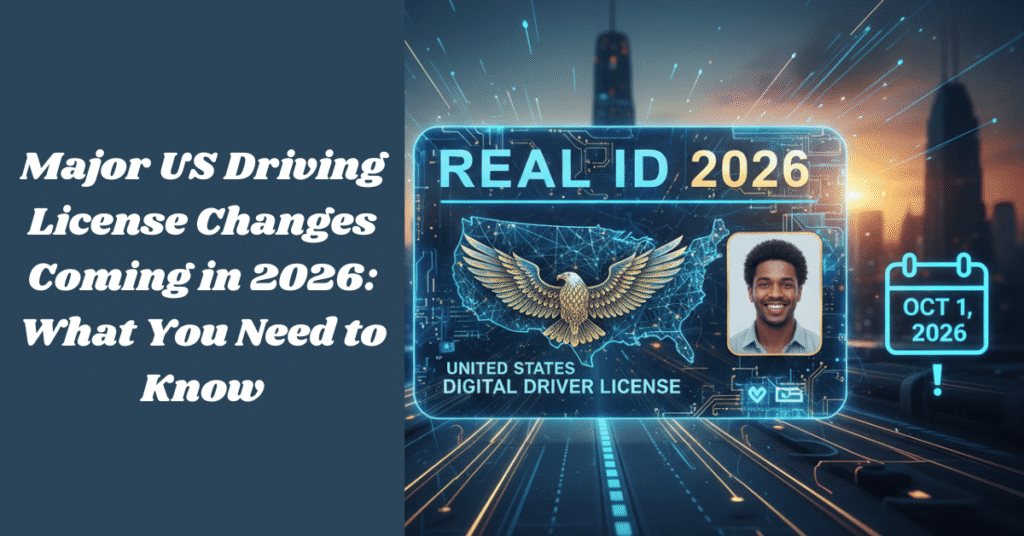
One of the most important updates for all US drivers is the stricter documentation process. The REAL ID Act will be in full effect across all states by 2026, which means you’ll need a REAL ID-compliant license if you want to fly domestically or enter federal buildings.
What Is REAL ID?
A REAL ID is a type of driver’s license that meets federal standards. It includes a star on the top right corner, indicating that your ID has passed federal verification. To obtain a REAL ID-compliant license, you’ll need to present documents like:
-
Proof of identity (passport, birth certificate)
-
Proof of address (utility bills, lease agreements)
-
Social Security number
For drivers who already have a standard driver’s license, you’ll need to upgrade your license by visiting the DMV and submitting the appropriate documents.
How Will These Changes Impact the Average Driver?
For most drivers, the changes will require a few additional steps during license renewal. However, there are also benefits to the updates. REAL ID-compliant licenses will enhance security, making it more difficult for identity fraud to occur. The new rules for seniors may increase safety on the roads, ensuring that drivers are fit to drive for as long as possible.
US Driving License Changes by Month: What to Expect in 2026
-
October 2026: Seniors will face updated rules for license renewals and medical evaluations. States will also implement new standards for testing, particularly vision tests.
-
September 2026: New documentation and identification requirements come into play. Be sure to bring proof of identity and address when renewing your license.
-
November 2026: Additional updates on ID verification processes, making it essential to keep your documentation up to date.
What Happens If You Don’t Comply with These Changes?
Not renewing your license on time or failing to comply with the REAL ID regulations can lead to issues, such as being unable to fly domestically or access federal facilities. If you’re a senior, failing to pass a vision or health test could result in a restricted license or temporary suspension until further evaluations are made.
Frequently Asked Questions (FAQs)
Q: What do I need to get a REAL ID-compliant driver’s license in 2026?
A: You will need proof of identity (birth certificate, passport), proof of address (lease agreement, utility bill), and your Social Security number. Be sure to check with your local DMV for specific documentation requirements.
Q: Will seniors be required to take more tests for their driver’s license?
A: Yes, seniors may need to take more frequent vision tests, medical evaluations, and possibly even road tests, depending on the state.
Q: How often will seniors have to renew their licenses in 2026?
A: Seniors will likely be required to renew their licenses more frequently, with some states implementing in-person renewals every 2-4 years.
Q: Can I still use my current driver’s license after 2026?
A: If you don’t have a REAL ID-compliant license by October 2026, you won’t be able to use it for federal purposes, such as domestic flights.
Q: Are there any changes to the testing process for new drivers?
A: Yes, there may be updates to testing procedures, including more emphasis on safety regulations and new technology for behind-the-wheel assessments.
Conclusion: Stay Prepared for the 2026 US Driving License Changes
As we approach 2026, there are several important driving license changes to keep in mind, especially for senior drivers. Whether it’s the new renewal processes, health checks, or the transition to REAL ID-compliant licenses, being proactive will ensure you stay in compliance with the new regulations. Make sure you’re ready for these changes by gathering the necessary documents and staying informed about your state’s requirements.
For more updates and to learn more about driving regulations in your state, check with your local DMV or visit trusted government websites.