
Introduction
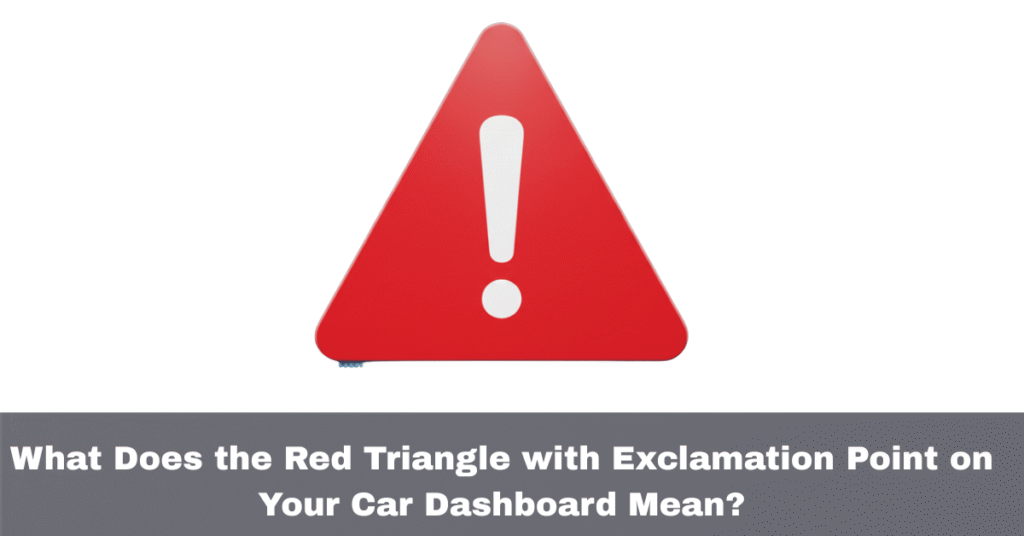
If you’ve ever been driving and noticed a red triangle with an exclamation point flashing on your car’s dashboard, you may have wondered what it meant. This warning symbol is there to alert you to a problem that could affect your car’s safety or performance. Ignoring it could lead to more severe issues down the road. In this article, we’ll break down what the red triangle with an exclamation point means, why it appears, and what steps you should take to fix the problem.
What Does the Red Triangle with an Exclamation Point Mean on Your Car?
The red triangle with an exclamation point is a universal warning symbol found on many car dashboards. It indicates that there’s an urgent issue that needs your immediate attention. While it might seem like a minor issue, it’s often signaling something important that, if left unchecked, could cause more serious problems.
Common Issues Indicated by the Red Triangle
-
Brake System Problems: One of the most critical issues that can trigger this warning is a problem with your car’s braking system. This includes low brake fluid, worn-out brake pads, or an issue with the anti-lock braking system (ABS). If this is the cause, it’s vital to address it immediately to prevent brake failure.
-
Low Tire Pressure: Another common cause is low tire pressure. Underinflated tires can lead to poor handling, increased tire wear, and even a blowout. The warning light is there to encourage you to check and inflate your tires as needed.
-
Engine Issues: The red triangle can also indicate a malfunction in the engine or related components, such as the cooling system or oil pressure. A problem here could lead to overheating or more severe engine damage if not resolved quickly.
-
Transmission Problems: If your car is having trouble shifting gears or if there’s an issue with the transmission fluid, the red triangle could appear. Ignoring this can lead to costly repairs.
How to Address the Red Triangle with Exclamation Point on Your Car
When this warning symbol appears, it’s crucial not to ignore it. Here’s what you can do to handle the issue:
1. Check the Car’s Manual
The first thing you should do is refer to your car’s owner’s manual. Different car models may have different meanings for the red triangle warning light. Your manual will provide specific guidance on what the symbol means for your vehicle and what actions you should take.
2. Inspect Your Tire Pressure
One of the easiest issues to address is low tire pressure. If the red triangle is signaling this, grab a tire pressure gauge and check all four tires. If any of them are below the recommended pressure, inflate them to the proper level. Most service stations have air pumps that you can use to fill your tires.
3. Check the Brake Fluid
If the warning symbol is related to your car’s braking system, check the brake fluid level. If it’s low, top it up with the appropriate brake fluid. If the issue persists, you may need to have your brake pads or the brake system checked by a professional.
4. Inspect the Engine and Oil
If the red triangle indicates engine issues, such as low oil pressure, you should check your oil levels. Low oil can cause your engine to overheat or seize, so make sure to top it up if necessary. If the engine light is on or the warning persists, it’s best to visit a mechanic for a full inspection.
5. Visit a Mechanic
If you can’t identify the cause of the warning or if it involves more complex systems like the ABS or transmission, it’s essential to take your car to a mechanic. They can diagnose the problem accurately and perform any necessary repairs to keep your car running smoothly.
FAQs About the Red Triangle with Exclamation Point on Your Car
Q: Can I continue driving if the red triangle appears on my dashboard?
A: It depends on the issue. If it’s related to the brake system or engine, it’s crucial to stop and address the issue immediately. Continuing to drive could cause further damage or even be dangerous.
Q: How do I know if the issue is related to tire pressure?
A: If the warning light is accompanied by a message on the dashboard or a tire icon, it is likely related to tire pressure. You can check your tire pressure manually with a gauge to confirm.
Q: Can I fix the problem myself?
A: Simple issues like low tire pressure or low brake fluid can often be addressed on your own. However, more complex problems, such as engine or transmission issues, require a professional mechanic to fix.
Conclusion
The red triangle with an exclamation point is a critical warning sign that shouldn’t be ignored. It indicates that there’s a problem with your car that could affect its safety or performance. Whether it’s related to the brakes, tires, engine, or transmission, addressing the issue as soon as it arises is key to preventing further damage and keeping your car in good condition.
If you’re unsure about the cause of the warning or if it’s beyond your ability to fix, don’t hesitate to take your car to a trusted mechanic. By being proactive, you can ensure your safety and avoid costly repairs down the road.