
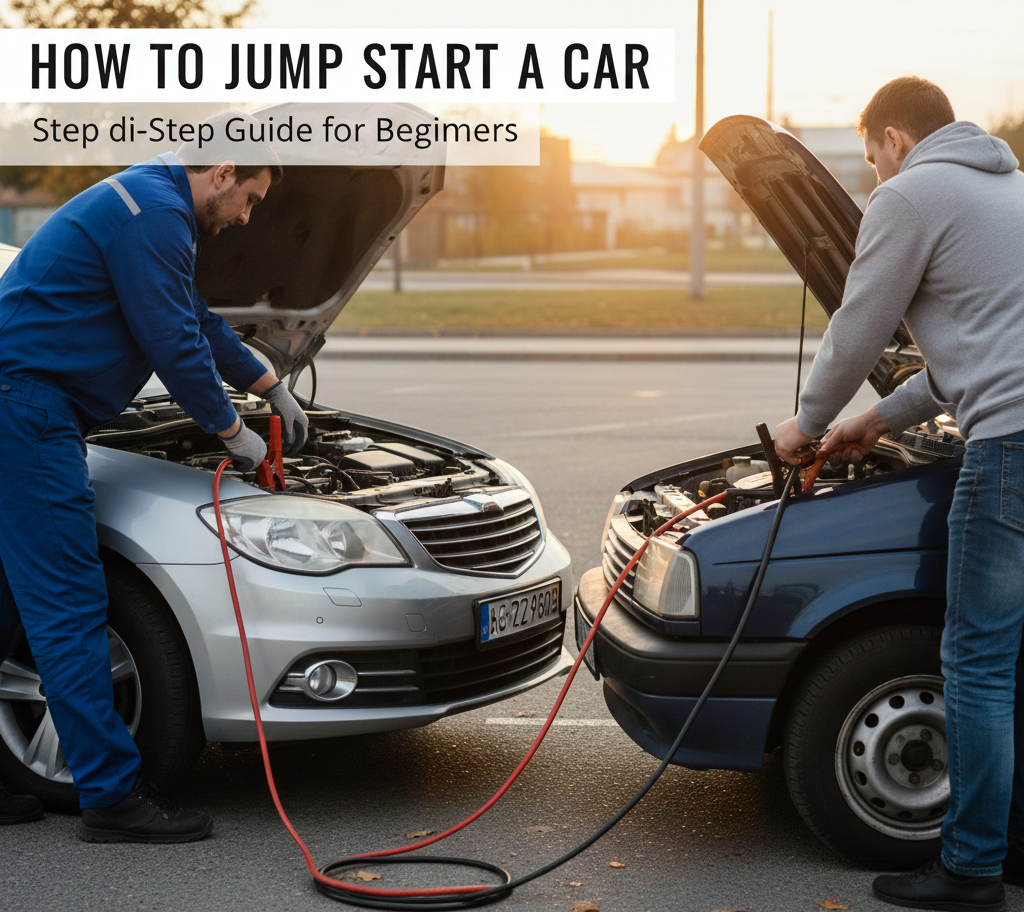

You’re running late, you turn the key, and instead of the engine roaring to life, you hear a weak click—or nothing at all. We’ve all been there. Knowing how to jump start a car is one of those basic life skills that can save you time, money, and a lot of stress.
This guide walks you through the process in a clear, human, and no-nonsense way. Whether it’s your first time or you just want a quick refresher, you’ll learn how to jump start a car safely, what tools you need, common mistakes to avoid, and what to do if it doesn’t work.
What Does It Mean to Jump Start a Car?
Jump starting a car means using power from another vehicle (or a jump starter) to revive a dead battery. When a car battery is drained—often due to leaving lights on, cold weather, or an old battery—it doesn’t have enough power to start the engine on its own.
By connecting jumper cables correctly, you temporarily borrow electricity to get the engine running again.
What You Need to Jump Start a Car
Before you begin, make sure you have the basics. Luckily, this is simple.
You’ll need:
-
Jumper cables (good quality, insulated clamps)
-
A working car with a healthy battery or a portable jump starter
-
Safety gloves (optional but recommended)
-
A bit of patience
That’s it. No advanced tools or mechanical expertise required.
Safety First: Things to Check Before You Start
Before learning how to jump start a car, take a minute to ensure everything is safe.
-
Both cars should be turned off
-
Vehicles should not be touching each other
-
Batteries should be similar voltage (most cars use 12V)
-
Check for visible battery damage or leaks
(If the battery is cracked or leaking, do not jump start it)
Taking these precautions reduces the risk of sparks, short circuits, or battery damage.
How to Jump Start a Car: Step-by-Step Instructions
This is the most important part. Follow these steps in order and you’ll be fine.
Step 1: Position the Cars Correctly
Park the working car close enough so the jumper cables can reach both batteries. Keep a safe gap and engage parking brakes on both vehicles.
Step 2: Identify Battery Terminals
Open both hoods and locate the batteries. Each battery has:
-
Positive terminal (+) – usually red
-
Negative terminal (-) – usually black
Make sure you clearly identify these before connecting anything.
Step 3: Connect the Jumper Cables in the Correct Order
This order matters. Don’t rush it.
-
Red clamp → Dead battery positive (+)
-
Red clamp → Working battery positive (+)
-
Black clamp → Working battery negative (-)
-
Black clamp → Unpainted metal surface on dead car
(Not the battery’s negative terminal)
This grounding step helps prevent sparks near the battery.
Step 4: Start the Working Car
Turn on the engine of the working car and let it run for 2–3 minutes. This allows the dead battery to absorb some charge.
Step 5: Start the Dead Car
Now try starting the car with the dead battery. If it doesn’t start right away:
-
Wait another minute
-
Try again gently (don’t crank endlessly)
Once it starts, let it run.
Step 6: Remove the Cables in Reverse Order
Carefully disconnect the cables in this exact sequence:
-
Black clamp from metal surface
-
Black clamp from working car
-
Red clamp from working car
-
Red clamp from previously dead battery
Keep the clamps from touching each other during removal.
What to Do After Jump Starting a Car
Just because the engine is running doesn’t mean the problem is solved.
-
Let the car run for at least 15–30 minutes
-
Drive it instead of letting it idle, if possible
-
Avoid turning the car off immediately
This helps recharge the battery and prevents another stall.
Common Mistakes to Avoid When Jump Starting a Car
Even though the process is simple, mistakes can happen. Avoid these common errors:
-
Connecting cables in the wrong order
-
Letting clamps touch each other
-
Jump starting a damaged or frozen battery
-
Revving the engine aggressively
-
Removing cables too quickly
Knowing how to jump start a car properly helps protect both vehicles and your safety.
How to Jump Start a Car Without Another Car
Don’t have a second vehicle nearby? No problem.
Using a Portable Jump Starter
Portable jump starters are compact, affordable, and easy to use.
Basic steps:
-
Charge the jump starter fully
-
Connect red clamp to positive terminal
-
Connect black clamp to negative or metal surface
-
Turn on the jump starter
-
Start your car
These devices are great for emergencies and don’t require outside help.
Why Your Car Battery Died in the First Place
Understanding the cause can help prevent future issues.
Common reasons include:
-
Leaving headlights or interior lights on
-
Extreme cold or heat
-
An old or worn-out battery
-
Corroded battery terminals
-
Electrical issues or parasitic drain
If jump starting becomes frequent, it’s time for a battery check or replacement.
How Long Does a Jump Start Last?
A jump start is temporary. It gets your car running, but it doesn’t fix a failing battery.
-
If the battery is healthy: you’re good
-
If the battery is old: it may die again soon
-
If the alternator is faulty: the battery won’t recharge
If the car dies again within a day or two, get it tested.
Can Jump Starting Damage Your Car?
When done correctly, jump starting is safe. Problems usually happen due to:
-
Incorrect cable connections
-
Using incompatible voltages
-
Poor-quality jumper cables
Following proper steps minimizes any risk.
FAQs About How to Jump Start a Car
Can you jump start a car in the rain?
Yes, as long as the cables and clamps are in good condition and you avoid standing in water.
How long should you let the car run after a jump start?
Ideally 20–30 minutes of driving to allow the battery to recharge properly.
Can you jump start a completely dead battery?
Sometimes, yes. But if the battery is very old or damaged, it may not hold a charge.
Is it bad to jump start a car often?
Yes. Frequent jump starts usually indicate a deeper issue like a failing battery or alternator.
Do hybrid or electric cars jump start the same way?
No. Always check the manufacturer’s instructions for hybrids and EVs before attempting a jump start.
Final Thoughts: Be Prepared and Stay Confident
Learning how to jump start a car is one of those small skills that makes a big difference. It keeps you moving, saves money on roadside assistance, and helps you stay calm in stressful situations.
Keep jumper cables or a portable jump starter in your trunk, and you’ll never feel helpless with a dead battery again. If you found this guide helpful, consider exploring related car maintenance tips to stay road-ready year-round.