

Introduction
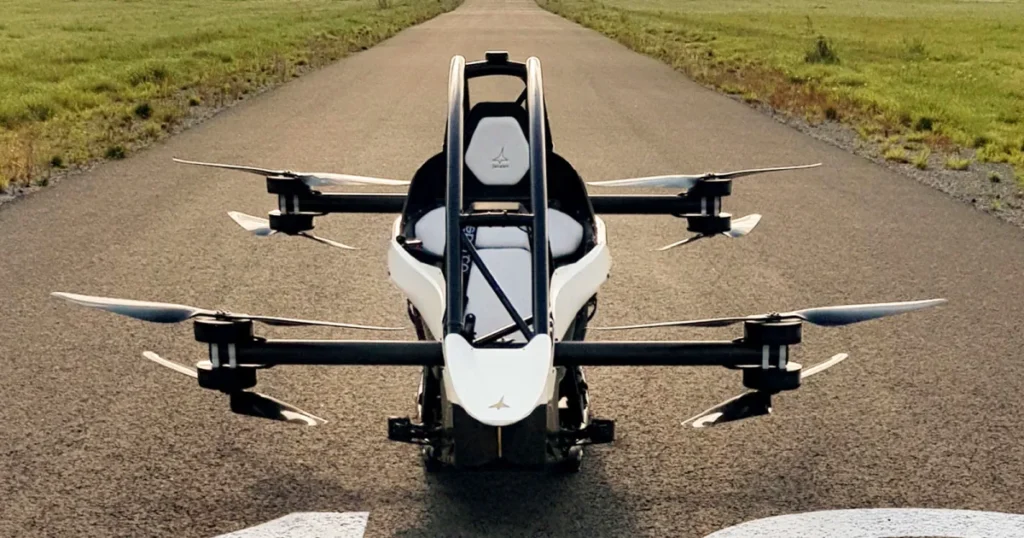
Imagine this: you’re cruising through the sky in a car that hovers above traffic, seamlessly gliding over congested roads with ease. It sounds like something out of a science fiction movie, right? Well, flying cars are becoming increasingly real, and the question on everyone’s mind is: What is the price of flying cars?
Flying cars have come a long way since the early concepts and prototypes. They are no longer just a dream—they are edging closer to becoming a common mode of transportation. But with this futuristic technology comes a hefty price tag. In this article, we’ll explore the price range of flying cars, factors influencing their cost, and what you can expect if you’re looking to invest in one of these innovative machines.
What Influences the Price of a Flying Car?
Technology and Engineering Costs
Flying cars are, by nature, highly complex vehicles. They combine elements of traditional automobiles with advanced aviation technologies. This blend of two different industries drives up the overall price. A flying car isn’t just a car that drives; it needs to be engineered for safe flight, stability, and the ability to handle airspace regulations.
-
Propulsion systems: Most flying cars use either electric or hybrid engines, which require advanced battery technology or fuel systems.
-
Autonomous capabilities: Many flying cars incorporate self-driving features, which adds to the price tag as they involve complex sensors, software, and safety protocols.
-
Flight certification: To operate legally, flying cars must meet stringent aviation safety standards, adding to the research and development costs.
Production Volume
Right now, flying cars are still a niche product, with limited production numbers. The lower the production volume, the higher the per-unit cost. As demand increases and manufacturers scale production, we can expect the prices to become more competitive.
Regulations and Licensing
Flying cars are subject to aviation regulations, which means manufacturers must work closely with governments and regulatory bodies to ensure compliance. These regulations can drive up the price as companies work to meet the necessary standards. Additionally, the costs of obtaining the necessary licenses for operation, both for the car itself and the pilot, contribute to the overall price.
The Current Price Range of Flying Cars
High-End Models
As of now, the price range for flying cars varies greatly depending on the model, technology, and level of automation. Some of the most advanced flying cars on the market can cost upwards of $500,000 to $1 million or more. These models typically feature vertical take-off and landing (VTOL) capabilities, hybrid propulsion systems, and autonomous flight features.
One such model is Terrafugia’s Transition, which has been in development for years. It is priced at around $279,000, and its design is more akin to a small plane that can convert into a car. However, its price is relatively low for the technology it offers, given that it still requires a pilot’s license for operation.
Another example is the PAL-V Liberty, a Dutch flying car that operates both as a car and a gyrocopter. It comes with a price tag of approximately $399,000. While it’s not as fully autonomous as some other models, it provides a unique experience with a flying capability that’s becoming more practical.
Mid-Range Options
If you’re looking for something a bit more affordable, you can expect to pay between $150,000 and $400,000 for entry-level flying cars. These models may not be fully autonomous but often feature semi-autonomous driving and flying capabilities. They might also come with more traditional designs like small aircraft converted for road use.
Affordable Flying Cars?
There are even discussions about the development of more affordable flying cars in the future. Some companies are working on models that could cost under $100,000, though they’re not yet widely available. These options typically have more limited flight ranges, lower speeds, and might not be fully autonomous. However, as technology advances, we could see these vehicles become more accessible for the average consumer.
Future Projections: Will the Price of Flying Cars Drop?
While the prices for flying cars are high right now, it’s important to note that the technology is still in its infancy. Much like the early days of electric vehicles (EVs), the cost of flying cars will likely decrease as manufacturing processes improve, production scales up, and demand increases. It’s not unreasonable to imagine that in the next few decades, flying cars could become as affordable as luxury cars are today.
Additionally, as urban air mobility becomes more integrated into cities, governments and industries may introduce incentives or subsidies that help reduce the cost of these futuristic vehicles, just as they did with electric vehicles.
Key Factors to Consider Before Buying a Flying Car
Safety and Maintenance
Flying cars are sophisticated machines that require regular maintenance and careful attention to safety. If you’re considering purchasing one, you’ll need to factor in the cost of maintenance, training, and potential repair needs. As the technology matures, service providers and repair infrastructure will likely become more available, but early adopters should be prepared for higher maintenance costs.
Charging and Fueling Costs
Depending on the model, you may need to consider the cost of charging or fueling your flying car. Electric models will need charging stations, and hybrid or fuel-based models may require specialized fueling systems. This could be an ongoing cost that adds up over time.
Insurance
Insurance for flying cars is likely to be more expensive than for traditional vehicles, due to the complexity and risks involved in flying. Before investing in a flying car, make sure to inquire about insurance rates and policies specifically designed for these vehicles.
FAQs About Flying Car Prices
1. Why are flying cars so expensive?
Flying cars are expensive because they combine automobile technology with advanced aviation technology, which requires specialized engineering, production, and certifications. The low production volume and the complexity of the systems involved also contribute to the high price.
2. How much will flying cars cost in the future?
As technology advances and production increases, the price of flying cars is expected to drop. While it’s difficult to predict an exact price, we can expect more affordable options to become available in the next few decades.
3. Are flying cars fully autonomous?
Not all flying cars are fully autonomous yet. Some models require a pilot’s license to operate, while others are semi-autonomous. The most advanced models are working towards full autonomy, but this technology is still being developed.
4. What’s the cheapest flying car?
The cheapest flying cars are expected to cost around $100,000 in the future. However, currently available models, such as the Terrafugia Transition or the PAL-V Liberty, are priced higher, ranging from $150,000 to over $500,000.
Conclusion
The price of flying cars reflects the cutting-edge technology and advanced engineering involved in their development. While they are currently out of reach for most consumers, the cost of these vehicles will likely decrease as the industry matures. If you’re considering investing in a flying car, be prepared for the high initial cost and the ongoing expenses of maintenance, training, and insurance.
As the technology evolves, flying cars could become a mainstream mode of transportation. So, keep an eye on this exciting industry—who knows, one day, we might all be cruising the skies in our very own flying cars.