
Ever noticed a plastic or carpet-like panel tucked inside your car’s wheel arch? That unsung hero is called a wheel well liner, and it plays a much bigger role than most drivers realize. From protecting your vehicle’s body to reducing road noise, this small component makes a noticeable difference in performance and longevity.
In this guide, we’ll break down everything you need to know about wheel well liners—including types, materials, replacement cost, and vehicle-specific options like Ford F-150, Silverado, Tacoma, and 4Runner wheel well liners.
What Is a Wheel Well Liner?
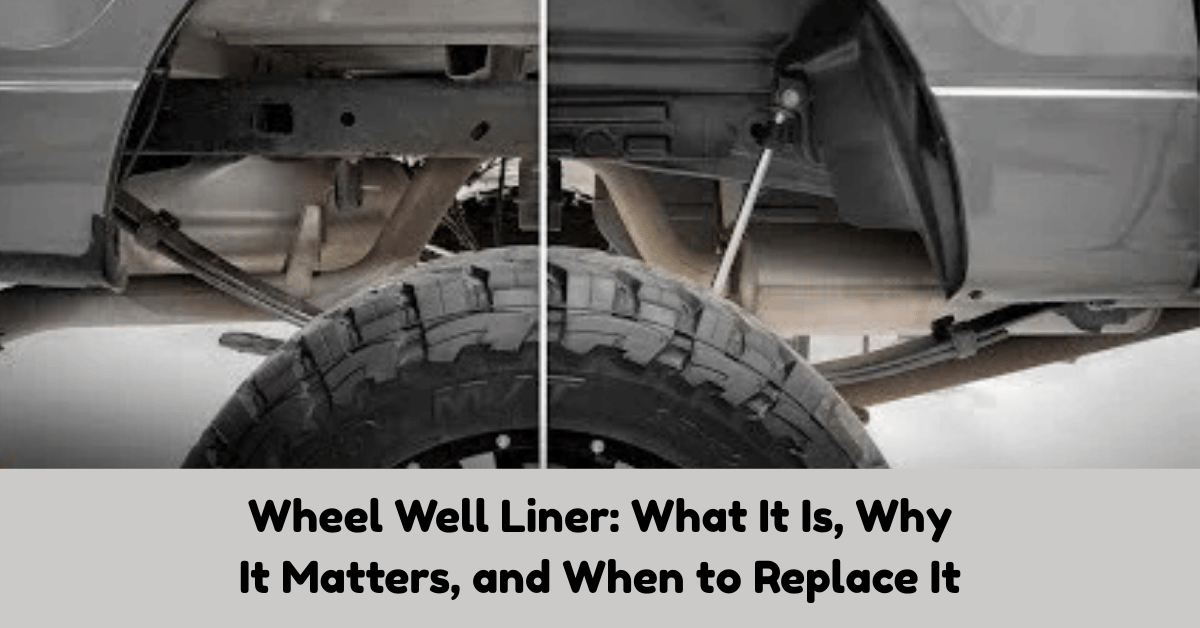
A wheel well liner (also known as an inner wheel well liner or car wheel well liner) is a protective shield installed inside the wheel arch. It separates the tire from the inner body panels of your car or truck.
Its main job is simple but critical: protect your vehicle from road debris, water, mud, salt, and stones that get kicked up while driving.
Why a Wheel Well Liner Is Important
Driving without a properly installed front or rear wheel well liner can lead to expensive damage over time.
Key Benefits of a Wheel Well Liner
-
Protects against rust and corrosion
-
Prevents dirt and water from reaching wiring and engine components
-
Reduces road noise and vibration
-
Improves aerodynamics and fuel efficiency
-
Keeps your wheel well clean and easier to maintain
For trucks and SUVs, especially off-road models, a quality wheel well liner material is even more important.
Types of Wheel Well Liners
Different vehicles and driving conditions require different liner types. Here’s a breakdown:
1. Plastic Wheel Well Liner
-
Most common option
-
Lightweight and durable
-
Resistant to moisture and chemicals
-
Found in vehicles like Ford F-150 wheel well liner and Silverado front wheel well liner
2. Carpet Wheel Well Liner
-
Made from felt or fabric composite
-
Excellent at noise reduction
-
Often used in premium or newer vehicles
-
Common in rear wheel well liner setups
3. Heavy-Duty or Off-Road Liners
-
Thicker plastic or reinforced material
-
Designed for mud, rocks, and rough terrain
-
Popular in Tacoma wheel well liner, 4Runner wheel well liner, and Ram 1500 wheel well liner
Front vs Rear Wheel Well Liner
Front Wheel Well Liner
-
Protects engine bay components
-
More exposed to turning wheels and road spray
-
More likely to get damaged
Rear Wheel Well Liner
-
Focuses on rust prevention and noise reduction
-
Often larger and simpler in design
Vehicle-Specific Wheel Well Liners
Many truck owners prefer custom-fit liners for better coverage.
Popular searches include:
-
Ford F-150 wheel well liner / wheel well liner F150
-
Silverado wheel well liner
-
Silverado front wheel well liner
-
Tacoma wheel well liner
-
Ram 1500 wheel well liner
-
4Runner wheel well liner
OEM liners fit perfectly, while aftermarket options can be more affordable.
Wheel Well Liner Clips: Small but Critical
Wheel well liner clips hold the liner securely in place. If even one breaks, the liner can sag, rub against the tire, or fall off entirely.
Common signs of bad clips:
-
Rattling noise
-
Loose liner edges
-
Scraping sound while driving
Always replace damaged clips during installation.
How to Remove a Wheel Well Liner
If you’re doing maintenance or replacement, here’s a simple process.
Steps to Remove a Wheel Well Liner
-
Turn the steering wheel outward (for front liners)
-
Locate screws and wheel well liner clips
-
Use a trim removal tool or screwdriver
-
Gently pull the liner out
-
Inspect for cracks or wear
This method works for most car wheel well liners and trucks.
Wheel Well Liner Replacement Cost
The wheel well liner replacement cost depends on your vehicle and liner type.
Average Cost Breakdown
-
Liner part: $30 – $150
-
Clips and hardware: $10 – $25
-
Labor (if installed by mechanic): $50 – $150
Total cost: $40 to $300 per liner
DIY replacement can save money if you’re comfortable with basic tools.
When Should You Replace a Wheel Well Liner?
Replace your wheel well liner if you notice:
-
Cracks or missing sections
-
Loose or hanging liner
-
Excessive road noise
-
Water entering the engine bay or trunk area
Driving without one can cause long-term body and electrical damage.
FAQs About Wheel Well Liners
What is a wheel well liner made of?
Most are plastic or carpet-style felt. The wheel well liner material depends on noise reduction and durability needs.
Can I drive without a wheel well liner?
Yes, but it’s not recommended. You risk rust, wiring damage, and higher repair costs.
Are wheel well liners vehicle-specific?
Yes. A Ford F-150 wheel well liner won’t fit a Tacoma or Silverado without modification.
How long does a wheel well liner last?
Typically 5–10 years, depending on driving conditions and material quality.
Is replacement difficult?
No. Most DIYers can replace a front wheel well liner in under an hour.
Conclusion: Is a Wheel Well Liner Worth It?
Absolutely. A wheel well liner is a small investment that delivers big protection. Whether you’re replacing a damaged liner, upgrading your F-150 wheel well liner, or adding liners to a Silverado or Tacoma, the benefits far outweigh the cost.
If you’re planning maintenance or upgrades, explore compatible liners and clips for your vehicle—and don’t forget to check out related guides on suspension, underbody protection, and off-road accessories.